Black American women have always embodied beauty that transcends trends, standards, and time. Their beauty—richly layered, deeply cultural, and profoundly human—has been both celebrated and challenged in a world that often struggles to understand it. Yet, despite centuries of misrepresentation and erasure, Black women continue to define beauty on their own terms, influencing global aesthetics, art, and identity.
A Legacy Rooted in History and Resilience
The beauty of Black American women is inseparable from the story of resilience. From the days of enslavement, when self-expression through hair, dress, and adornment was an act of quiet rebellion, to the Harlem Renaissance, when women like Josephine Baker and Zora Neale Hurston redefined glamour and intellect, Black women have always found ways to shine in the face of oppression.

Their beauty tells a story—one of survival, pride, and creativity. It carries echoes of Africa’s many cultures, yet it has evolved uniquely within the American experience. The way Black women wear their hair, move through the world, and embrace their skin is not just aesthetic—it’s political, spiritual, and deeply personal.
The Power of Hair and Self-Expression
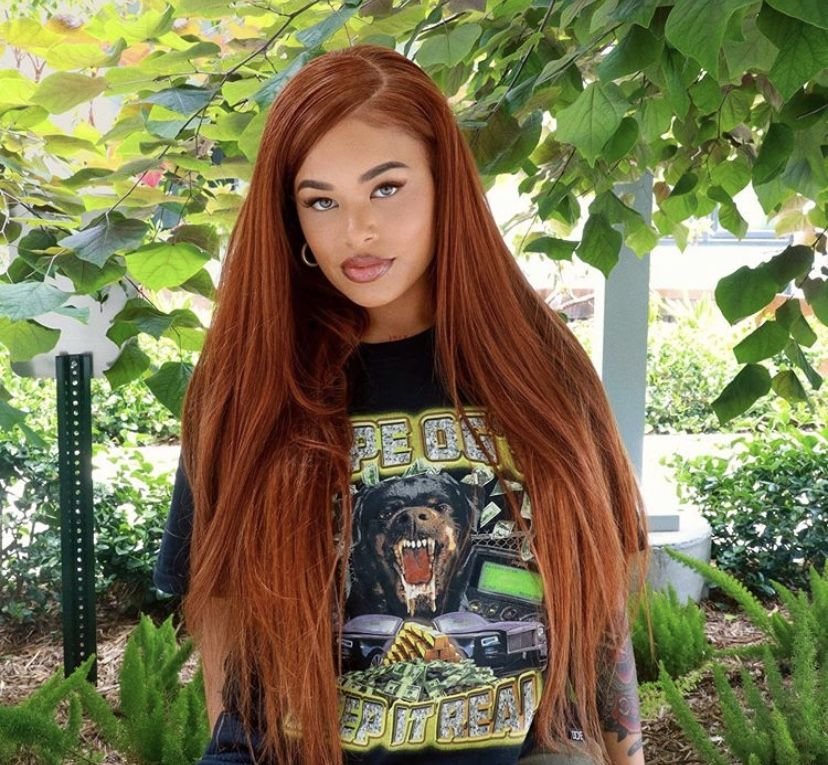
Perhaps no aspect of Black women’s beauty has been as powerful—or as politicized—as their hair. Whether it’s the intricate braids passed down from ancestors, the bold statement of a natural afro, or the sleek sophistication of locs and twists, Black women’s hair tells stories of identity, culture, and resistance.
The natural hair movement, gaining momentum in the 21st century, marked a turning point. It reclaimed hair that had long been stigmatized and made it a symbol of pride. Celebrities, influencers, and everyday women began celebrating textures once called “unruly” or “unprofessional.” The result has been a cultural shift—one that encourages authenticity and challenges the narrow Eurocentric ideals that have dominated beauty standards for generations.
Shades of Radiance: The Spectrum of Black Skin
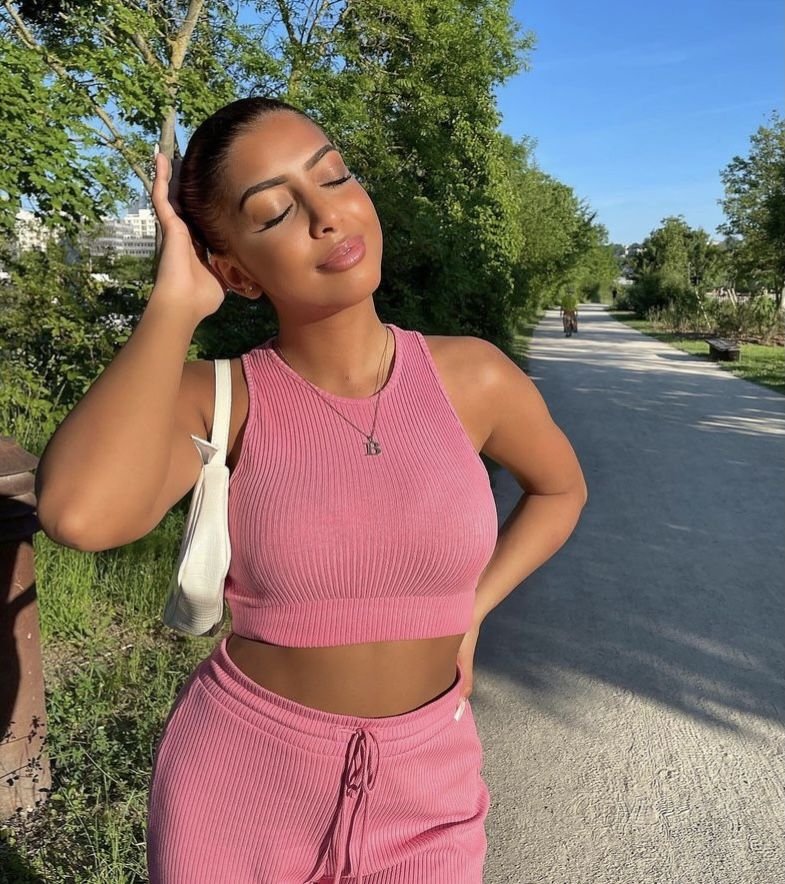
Black women’s skin, glowing in an endless spectrum of shades—from the deepest mahogany to golden honey—has long been a canvas of awe and admiration. Yet for decades, media representation failed to reflect this diversity. Today, that’s changing. The rise of inclusive beauty brands, such as Fenty Beauty by Rihanna, has helped normalize what should always have been obvious: that beauty exists in every shade.

Beyond physical appearance, the radiance of Black women comes from within—from confidence, joy, and the legacy of women who have dared to define their worth for themselves.
Redefining Beauty on Their Own Terms
From the elegance of Michelle Obama to the bold creativity of Lizzo, the ethereal grace of Lupita Nyong’o to the effortless confidence of Zendaya, Black American women continue to expand and redefine what beauty means. Their presence in film, fashion, and politics has not only diversified representation but reshaped the global beauty narrative.

Black beauty is not monolithic—it is natural and glamorous, soft and strong, traditional and avant-garde. It is found in the curves, the curls, the melanin, and the magic.
Beyond Aesthetics: Beauty as Empowerment
For Black women, beauty is not just about appearance—it is about empowerment. It’s about visibility in spaces that have historically excluded them. It’s about self-love in a society that once told them they were not enough. It’s about honoring ancestors while inspiring future generations to embrace every part of who they are.
The beauty of Black American women is revolutionary precisely because it exists unapologetically. It teaches the world that true beauty cannot be confined to a single image or standard—it is a living expression of culture, strength, and freedom.

Black American women’s beauty is more than skin deep—it’s woven into the fabric of history, shaped by resilience, and illuminated by self-acceptance. It challenges the world to see beauty not as conformity, but as authenticity. In celebrating themselves, Black women remind us all that beauty, in its truest form, is liberation.