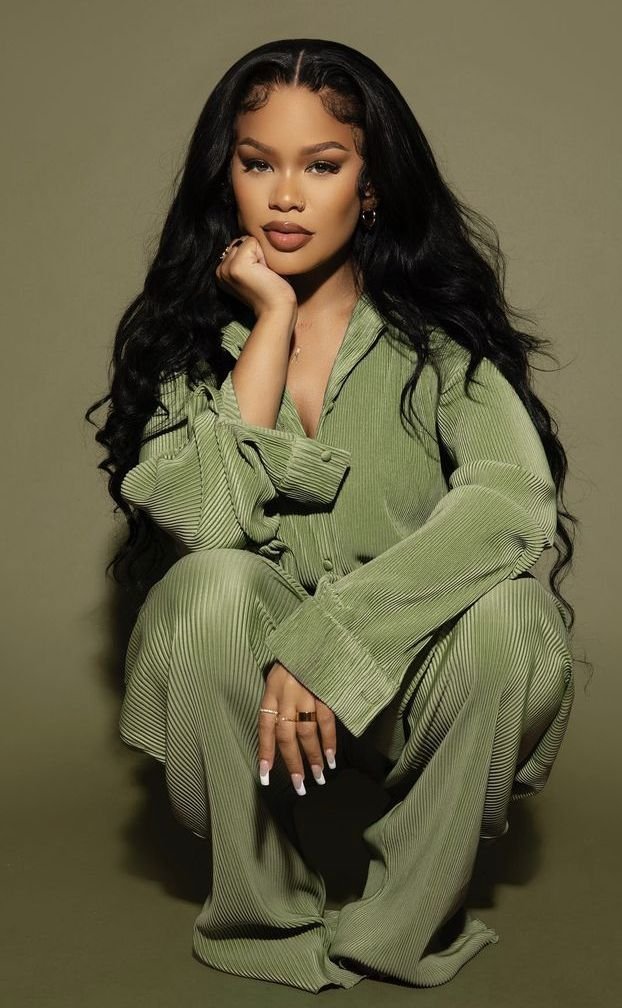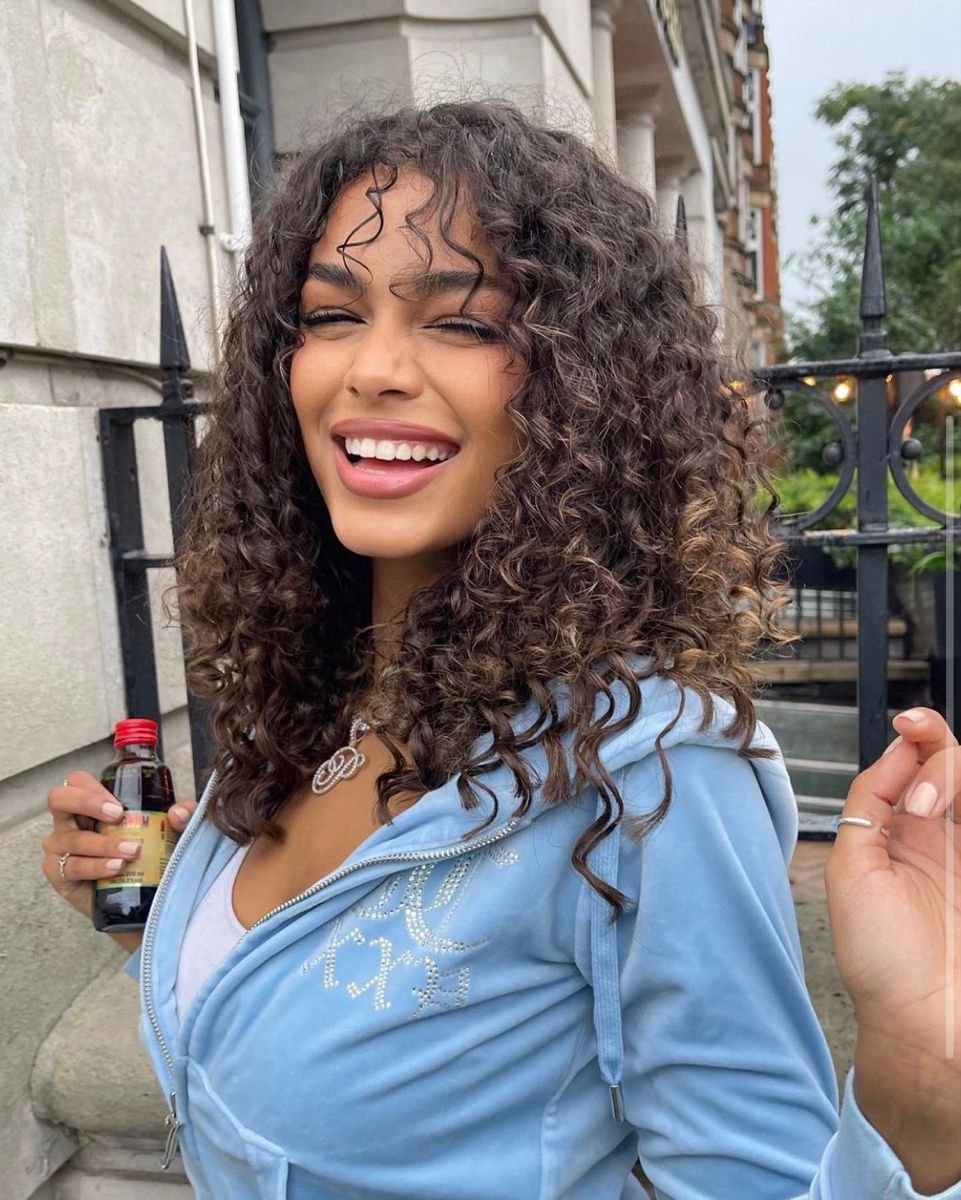
Black American women have long been the heart and soul of American cinema, television, and theater. From the early pioneers who broke through racial barriers to the modern stars shaping today’s entertainment landscape, their stories are a testament to resilience, talent, and cultural pride. Their artistry not only transformed Hollywood but also helped redefine beauty, strength, and representation on screen.
Breaking Barriers in a Segregated Industry
In the early 20th century, opportunities for Black actresses were scarce and often confined to stereotypical roles. Yet, trailblazers like Hattie McDaniel made history when she became the first African American to win an Academy Award for her role as Mammy in Gone with the Wind (1939). Though her portrayal reflected the racial constraints of her time, her win symbolized a step toward greater visibility for Black women in Hollywood.

Following in her footsteps, actresses such as Dorothy Dandridge, the first Black woman nominated for a Best Actress Oscar for Carmen Jones (1954), and Eartha Kitt, known for her sultry voice and commanding screen presence, challenged Hollywood’s narrow portrayals of Black femininity. They opened doors for future generations to be seen as multifaceted and dynamic.
The Era of Empowerment and Transformation
The 1970s and 1980s ushered in a new wave of powerful performances by Black actresses who demanded complex, authentic roles. Cicely Tyson revolutionized the industry by refusing to accept demeaning parts, choosing instead roles that celebrated the dignity and strength of Black women. Her performances in Sounder (1972) and The Autobiography of Miss Jane Pittman (1974) earned her critical acclaim and inspired countless aspiring actresses.

During the same period, Pam Grier became one of the first Black female action stars, redefining Hollywood’s understanding of strength and independence with films like Foxy Brown (1974). Her impact still resonates today in action heroines who combine power with intelligence and grace.
Modern Icons and Global Recognition
In recent decades, Black American women have not only achieved stardom but also become producers, directors, and storytellers in their own right. Halle Berry broke barriers in 2002 as the first—and still the only—Black woman to win the Academy Award for Best Actress for Monster’s Ball. Meanwhile, Viola Davis, an Emmy, Tony, and Oscar winner, has championed authentic portrayals of Black women and advocated for diversity across Hollywood.

Regina King, Taraji P. Henson, Octavia Spencer, and Angela Bassett continue to expand the narrative of what it means to be a Black woman in film. Their performances highlight themes of resilience, love, justice, and empowerment, offering a more complete reflection of the Black experience in America.
New Voices and Future Legends
Today, a new generation of actresses—such as Zendaya, Tessa Thompson, Keke Palmer, and Danielle Brooks—carry the torch forward. They are redefining Hollywood through versatility and advocacy, using their platforms to demand equity, tell underrepresented stories, and inspire young Black girls to dream boldly.
A Legacy of Strength and Storytelling
From stage to screen, Black American women have redefined the art of performance. Their contributions extend beyond acting; they are cultural leaders, storytellers, and visionaries. Each role they play continues the legacy of those who fought for representation and respect.
As Hollywood continues to evolve, the influence of Black American women remains a guiding force—reminding the world that talent, courage, and authenticity can change not only an industry but also the culture at large.