Black Women: The Power, The Pain, The Progress, and The Future
(Approx 1500 words)
Black women stand at a unique intersection in this world. They carry both the weight of race, and the weight of gender. They have been treated like they are at the bottom — yet they have repeatedly risen to the top. They are the backbone of movements, the inventors behind innovations, the creators of global culture, and the mothers of entire civilizations. Their story is not a side chapter of history — their story is history.
To write about Black women is to explore complexity, strength, culture, trauma, survival, brilliance, and beauty all at once. It is also to acknowledge both the harm that has been done to them, and the power they still manage to hold.
This article will explore Black women through multiple lenses: history, culture, beauty, stereotypes, leadership, economics, activism, media representation, modern empowerment, and the future that Black women are shaping.
Black Women in History: The Hidden Architects

History rarely tells the complete truth — especially when the truth is about Black women.
From ancient African queens like Hatshepsut, Nefertiti, Makeda (Queen of Sheba), and Queen Nzinga… to enslaved women who resisted oppression in America… to freedom fighters like Harriet Tubman, Sojourner Truth, Ida B. Wells, Fannie Lou Hamer — Black women have always fought for freedom. They weren’t only resisting for themselves — they were resisting for generations.
Historians have often written about wars, treaties, kings, and presidents — but behind those power structures, there were always women advising, influencing, healing, nurturing, and fighting from every angle.
Even when the world tried to erase their names, the results of their labor still live.
Black Women and Culture: They Are The Blueprint
Let’s make something very clear:
Global culture today is shaped by Black women.
From hairstyles
to slang
to music
to dance
to beauty trends
to social media style
to fashion styling
to language rhythms…
The world copies what Black women create.
Think about:
- Hip-Hop culture
- Braids + protective styles
- Thick lips / fuller curves now becoming the global beauty standard
- Influencers using African American Vernacular English phrases without even knowing the origin
Black women were judged, insulted, mocked for these things for decades — and now those same things are being praised, copied, and monetized by others.
Black women are not just part of the culture — they are the innovators of culture.
The Pain and Disrespect Black Women Face
With all this brilliance, Black women also face unique attack.
They are often stereotyped as:
- “too loud”
- “too aggressive”
- “too angry”
- “too masculine”
- “too emotional”
- “too independent”
And all these stereotypes come from racism + misogyny combined.
Studies show Black women are disrespected in:
- medical treatment
- job promotions
- hiring selections
- criminal justice
- pay distribution
- media representation
- even sports judging
They are expected to be super-strong but not emotional.
They are expected to work harder but be paid less.
They are expected to produce excellence but not demand recognition.
Black women are applauded only when they are silent, humble, and tolerating pain — but attacked when they speak up for themselves.
Black Women’s Bodies: Policed, Sexualized, Copied
Black women’s bodies have always been targets.
During slavery they were abused as property. After slavery their bodies were used for entertainment — exoticized but never respected.
Even today:
- White women get praised for curves Black women naturally have.
- Beauty brands steal Black hairstyles and call them “trendy.”
- Fashion companies use dark-skinned models to look “edgy” but don’t hire dark-skinned executives.
Black women are desired but not protected.
Admired but not respected.
Copied but not credited.
Black Women in Leadership and Power
Despite the resistance, Black women continue to show up in leadership.
Look at history and modern society:
- Michelle Obama
- Kamala Harris
- Oprah Winfrey
- Rihanna (Billionaire CEO)
- Beyoncé (Cultural force)
- Misty Copeland (First Black Principal Ballerina at ABT)
- Ursula Burns (Former CEO of Xerox)
- Rosalind Brewer (CEO of Walgreens)
- Mia Mottley (Prime Minister of Barbados)
Black women lead companies, movements, entertainment, nations, and global audiences.
And not just celebrities — everyday Black women lead households, churches, schools, communities.
Black women are the most educated demographic in America in terms of growth in higher education degrees achieved per year. They are also the fastest-growing group of entrepreneurs.
This is not an accident. It is survival turned into leadership.
Black Women and Activism: The Torchbearers of Justice
Black women don’t wait for justice — they organize it.
From the Civil Rights Movement to #BlackLivesMatter — the major organizing and strategy work often came from Black women.
They don’t always get the spotlight — but their fingerprints are all over every modern social justice movement.
Black women are the planners, the organizers, the thinkers behind:
- racial equality
- gender justice
- reproductive rights
- education reform
- healthcare access
- voting rights
They don’t only talk activism — they live it.
Black Women in Media: From Stereotypes to Global Icons
For a long time, Black women were only allowed limited roles on screen:
- The maid
- The suffering single mother
- The angry loud friend
- The background character
But now — Black women are redefining the screen:
- Viola Davis
- Taraji P. Henson
- Angela Bassett
- Zendaya
- Keke Palmer
- Gabrielle Union
- Danai Gurira
- Issa Rae
- Regina King
- Lupita Nyong’o
These women are showing the world that Black womanhood has range: softness, genius, desire, power, mystery, humor, complexity, vulnerability.
And young girls watching them see possibility — not limitation.
Spirituality and Emotional Strength
Black women have always used spirituality as a source of survival.
From African traditional roots
to Christianity
to Islam
to ancestral wisdom
to meditation
to community sisterhood…
Black women have always known how to access emotional strength from their inner world.
They have learned how to love themselves even when the world refuses to love them correctly.
Self-Love, Affirmation culture, Motherhood rituals, Sisterhood circles — these are all rooted in Black women’s emotional genius.
The Current Era: Black Women Are Entering Their Power Era
This present moment is special.
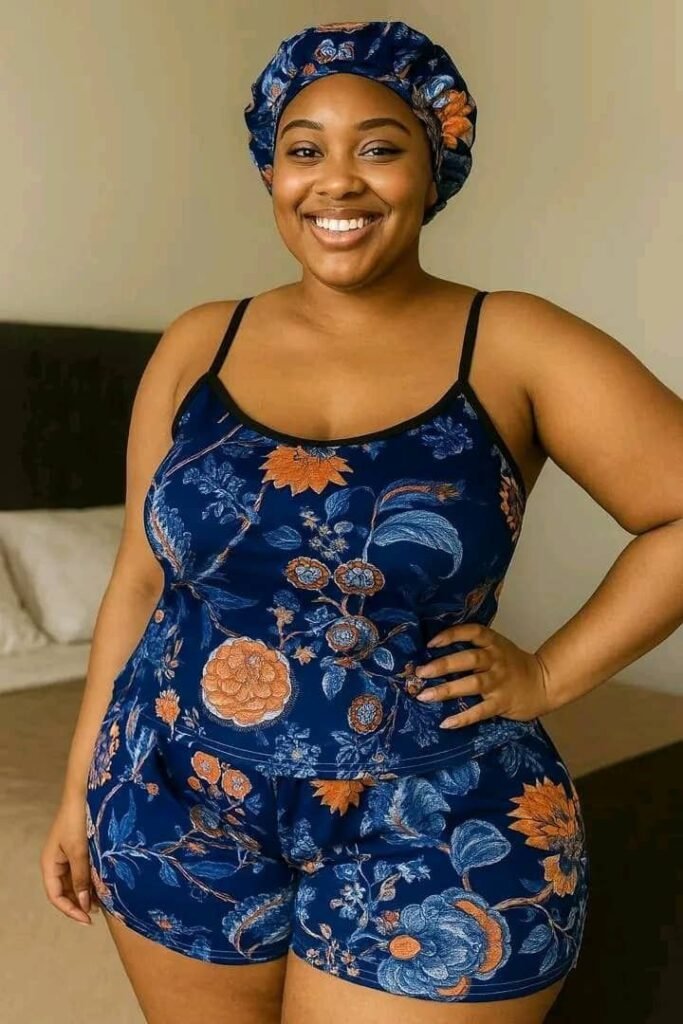
Black women are:
- demanding to be paid
- demanding to be respected
- owning their work
- building their platforms
- creating their companies
- turning trauma into art
- healing generational pain
- finding beauty in their skin
- protecting their mental health
- saying “NO” to disrespect
- choosing soft life + peace
They are not just surviving anymore — they are thriving.
The Future Black Women Are Building
The future will have Black women in every seat:
- courtroom judges
- presidents
- global CEOs
- AI innovators
- tech founders
- film directors
- authors writing the new canon
- educators designing new systems
Black women are not asking for permission anymore.
They are already rewriting the whole system.
They are building futures where their daughters won’t have to fight the same battles. They are building models of leadership that are based not on domination — but on collaborative power.
What Black women are doing right now is not just for themselves — it is for the world.
CONCLUSION
Black women are not simply “strong.” They are strategic. They are genius. They are culture-shifters.
They have given this world:
- new language
- new beauty standards
- new rhythms
- new political movements
- new visions of freedom
Yet the world has not given them the respect equal to their contribution.
That must change.
We cannot talk about humanity’s progress without mentioning Black women — because much of humanity’s progress was pushed forward by them.
Black women are not the future.
Black women are the NOW.
They were always here, always powerful, always brilliant — the world is only now beginning to understand it.
And this understanding is not a favor — it is a correction of history.
Black women deserve celebration, not just survival.
Black women deserve leadership, not just labor.
Black women deserve luxury, not just struggle.
Black women deserve peace, not just strength.
The story of Black women is not a story of victims — it is a story of revolution.
And the revolution is still unfolding.